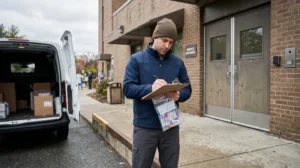
Pharmaceutical courier services exist at the intersection of logistics and compliance. Transporting medications, vaccines, biologics, clinical trial drugs, and controlled substances requires more than a driver and a van — it demands validated temperature-controlled packaging, documented chain of custody, regulatory knowledge, and the understanding that what’s inside the package might be the only thing standing between a patient and a medical crisis.
Standard shipping services treat a box of medication the same as a box of office supplies. A pharmaceutical courier treats it like what it is: a regulated healthcare product that must arrive at the correct temperature, within the correct timeframe, with complete documentation of its journey.
What Pharmaceutical Couriers Transport
The pharmaceutical supply chain generates a wide variety of shipments, each with specific handling requirements:
Power House Courier runs HIPAA-compliant, UN3373-certified specimen and medical deliveries 24/7 across California, Arizona and Texas. A dispatcher answers in under 15 minutes.
Prescription Medications: From compounding pharmacies to patients, from hospital pharmacies to satellite clinics, and between pharmacy locations for inventory balancing. Many prescription drugs require refrigerated transport (2-8°C), and some specialty medications require frozen conditions.
Vaccines: Vaccines are among the most temperature-sensitive pharmaceutical products. The CDC’s Vaccines for Children program requires documented cold chain compliance from manufacturer to administration. A single temperature excursion can render an entire shipment of vaccines worthless — and depending on the vaccine, replacement may take weeks.
Biologics and Specialty Drugs: Monoclonal antibodies, gene therapies, and other biologic medications often cost thousands of dollars per dose and require strict cold chain maintenance. Many biologics cannot survive freezing or temperatures above 8°C for even short periods.
Clinical Trial Materials: Investigational drugs for clinical research require documented chain of custody, temperature monitoring with data logger records, and often specific packaging validated for the drug’s stability profile. Mishandled clinical trial materials can invalidate study data and delay drug development timelines.
Controlled Substances: Schedule II through V drugs under DEA regulation require documented chain of custody, secure transport, and compliance with federal and state controlled substance laws. Not every courier company is equipped to handle controlled substances — it requires specific procedures and documentation.
Compounded Medications: Custom-compounded drugs from compounding pharmacies to patients or healthcare facilities. Many compounded preparations have shorter shelf lives and stricter temperature requirements than commercially manufactured drugs.
Cold Chain Management in Pharmaceutical Transport
The cold chain is the unbroken series of temperature-controlled steps that a pharmaceutical product passes through from manufacturing to the point of use. Every link in this chain — including courier transport — must maintain the product within its specified temperature range.
Pharmaceutical courier services maintain cold chain integrity through several mechanisms:
Validated Packaging Systems: Insulated containers tested and validated to maintain specific temperature ranges for defined durations. Validation testing subjects the packaging to worst-case conditions (extreme ambient temperatures, extended transit times) to verify performance.
Calibrated Temperature Monitors: Digital data loggers placed inside shipment containers record temperature at regular intervals throughout transport. Upon delivery, the temperature log is reviewed to confirm that conditions stayed within the acceptable range. Many pharmaceutical clients require this data as part of their quality management records.
Gel Packs and Dry Ice: Refrigerated pharmaceutical shipments use pre-conditioned gel packs to maintain 2-8°C. Frozen shipments use dry ice for -20°C or below. Cryogenic materials use liquid nitrogen dewars. The courier must understand how to handle each cooling medium safely and effectively.
Vehicle Preparation: In extreme climates like Phoenix or Houston, vehicle cabin temperature can exceed 140°F when parked in the sun. Pharmaceutical couriers pre-cool vehicles, minimize door-open time, and avoid leaving temperature-sensitive shipments in unattended vehicles.
Power House Courier validates our pharmaceutical packaging systems for the climate conditions in each of our service areas — including Arizona’s extreme summer heat and California’s variable coastal temperatures. Every pharmaceutical delivery includes temperature monitoring data provided to the client upon completion.
Regulatory Compliance for Pharmaceutical Couriers
Pharmaceutical transport intersects with multiple regulatory frameworks:
FDA Requirements: The Drug Supply Chain Security Act (DSCSA) establishes requirements for tracking prescription drugs through the supply chain. While courier transport is one step in this chain, couriers must maintain documentation that supports their clients’ DSCSA compliance.
USP Chapter Standards: USP <797> (sterile compounding) and USP <800> (hazardous drugs) include requirements for transport conditions. Pharmacies and healthcare facilities subject to these standards need courier partners who understand and comply with transport requirements.
State Pharmacy Board Regulations: Many states have specific regulations governing the transport of prescription drugs, including requirements for courier licensing, vehicle standards, and documentation.
DEA Regulations: Transport of controlled substances requires compliance with DEA regulations, including documented chain of custody and, in some cases, specific permits or registrations.
CDC Vaccine Storage and Handling: The CDC publishes detailed guidance on vaccine transport requirements, including acceptable temperature ranges, packaging specifications, and documentation requirements. Pharmacies and clinics participating in CDC programs must demonstrate compliance, and courier transport is part of that documentation.
A pharmaceutical courier company that understands these regulations reduces compliance burden for their healthcare clients. At Power House Courier, we maintain current knowledge of applicable regulations and provide documentation formatted to support our clients’ regulatory and accreditation requirements.
Who Uses Pharmaceutical Courier Services?
Hospital Pharmacy Networks: Multi-campus hospital systems need daily or multiple-daily transfers of medications between their central pharmacy and satellite locations. Emergency drug transfers for critical patients require stat courier service.
Compounding Pharmacies: Compounded medications often have short beyond-use dates (sometimes hours) and require temperature-controlled transport directly to the patient or healthcare facility.
Specialty Pharmacies: High-cost specialty medications — often biologics requiring cold chain — need reliable, temperature-documented delivery to patients or infusion centers.
Clinical Research Organizations: Clinical trials require couriers who can handle investigational drugs with the documentation precision that FDA regulations demand. Temperature excursions must be reported, and chain-of-custody records must be audit-ready.
Long-Term Care Facilities: Nursing homes and assisted living facilities receive medication deliveries from their pharmacy providers, often requiring multiple daily deliveries and stat service for urgent medication needs.
Veterinary Pharmacies and Clinics: Specialty veterinary medications, vaccines, and biologics require the same temperature-controlled transport as human pharmaceuticals.
Power House Courier runs HIPAA-compliant, UN3373-certified specimen and medical deliveries 24/7 across California, Arizona and Texas. A dispatcher answers in under 15 minutes.
Frequently Asked Questions
What temperature do most pharmaceuticals need during transport?
Most medications requiring temperature control fall into three categories: refrigerated (2-8°C), frozen (-20°C or below), and controlled room temperature (20-25°C with excursions permitted to 15-30°C). The specific requirement depends on the drug product’s approved labeling.
How do pharmaceutical couriers handle controlled substances?
Controlled substance transport requires documented chain of custody with signatures at every handoff, secure packaging that prevents diversion, and compliance with DEA and state regulations. Couriers handling controlled substances undergo additional background screening and training.
Can pharmaceutical couriers deliver to patients’ homes?
Yes. Home delivery of prescription medications is a growing service, particularly for specialty pharmacy patients receiving high-cost or temperature-sensitive biologics. The courier maintains cold chain documentation through to the patient’s doorstep.
What happens if temperature is compromised during pharmaceutical transport?
The courier documents the excursion and notifies the client immediately. The pharmacist then evaluates the drug product’s stability data to determine whether the medication is still safe and effective to dispense. Many drugs can tolerate brief, minor excursions, but the decision must be made by a qualified professional based on manufacturer stability data.
Do pharmaceutical couriers need special licensing?
Requirements vary by state. Some states require courier companies transporting prescription drugs to hold specific licenses or permits. DEA registration may be required for companies regularly transporting controlled substances. Check with your state pharmacy board for local requirements.
Power House Courier provides pharmaceutical courier services with validated cold chain transport, temperature monitoring, and regulatory-compliant documentation. Get a pharmaceutical courier quote or call (323) 744-1900.

Critical logistics across the USA — same day courier, medical, legal, AoG, and nationwide trucking. Available 24/7.